
.jpeg)

Global Skills Week 2026: Post-Event Report
.png)
30 June 2026


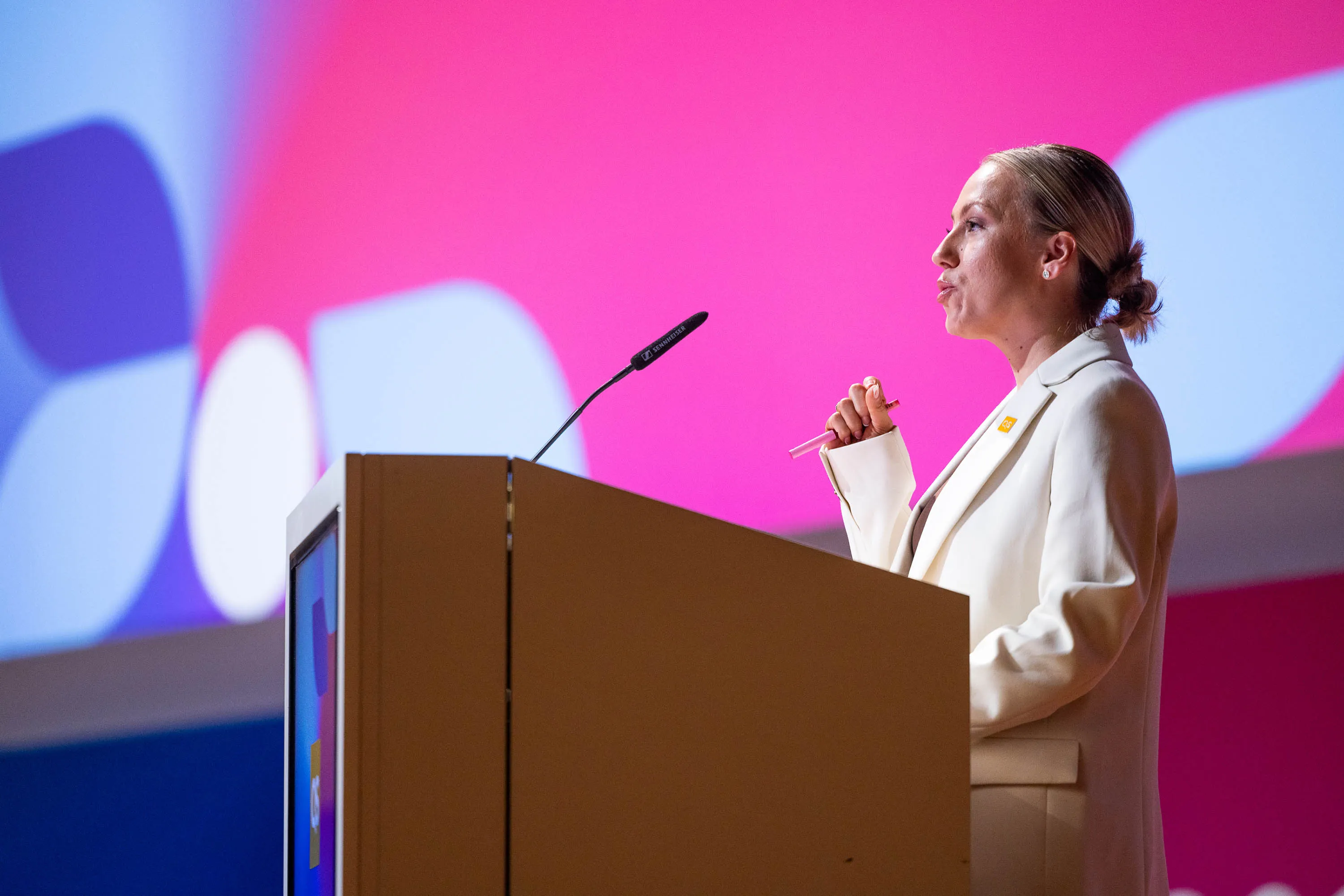
Global Skills Week 2026 brought together leaders from higher education, industry, policy, and technology to examine how the global skills economy is evolving – and how institutions must respond. Held in Washington, D.C., the conference reflected a moment of significant transformation, as artificial intelligence (AI), demographic change, and economic shifts reshape both education and work.
Across the program, a clear theme emerged: the changing nature of traditional education-to-employment pathways. Degrees alone are no longer sufficient signals of readiness. Instead, institutions are being challenged to demonstrate how effectively they equip learners with adaptable, verifiable, and applied skills.
Three interconnected priorities shaped discussions throughout the event. First, the rapid integration of AI is transforming how skills are developed, assessed, and applied. Second, systems are moving toward skills-based frameworks, requiring new approaches to credentials, pathways, and policy. Third, there is growing urgency around career navigation, ensuring learners can understand and act on evolving labor market opportunities.
Download the full report to explore the complete insights.