A Generation of Lost Potential
A highly educated generation is finding fewer places to put its skills to work.
9999
Stat-text
999
Stat-text
99
Stat-text
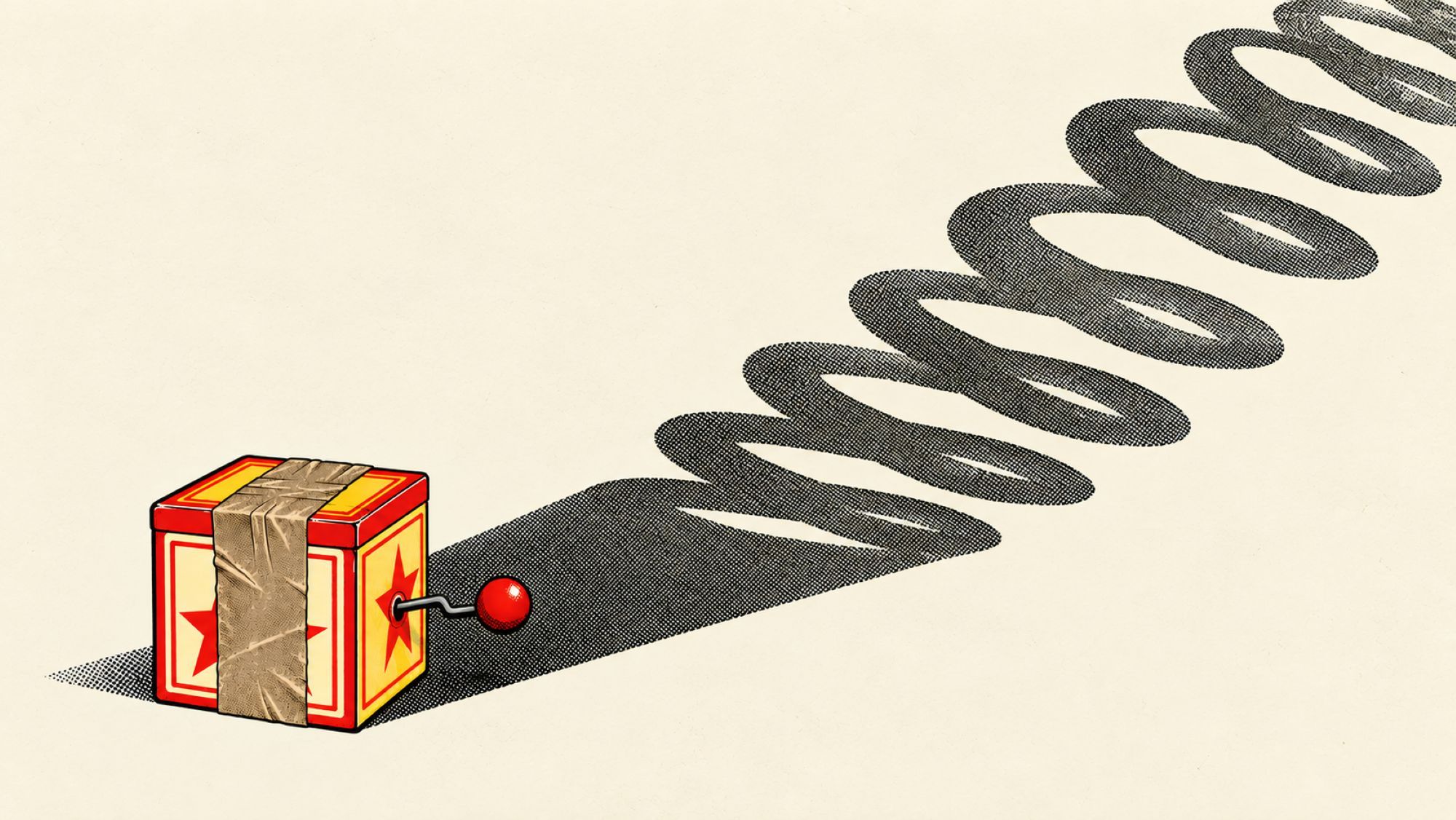


Highly educated graduates face a global underemployment crisis, with many stuck in low-wage roles unrelated to their degrees.
Vanishing entry-level roles and soaring tuition fees leave a debt-ridden generation overqualified for a shrinking, AI-driven job market.
Individual resilience cannot replace systemic reform; institutions must ensure education delivers a stable, meaningful return on investment.

A generation educated for a future that isn't arriving
It became very clear to me just how many other people my age were in the exact same boat. A survey published by the US Federal Reserve in July found that 49 percent of adults under 30 are currently living with their parents.
In the past year, I've been a server, an assistant at an old family friend's small insurance company organising folders and a Doordash deliverer.
I am 27 years old with a Bachelor's in Neuroscience from Ohio State University and a Master's in Science Communication from Imperial College London.
Over 75 applications later, I couldn't have been more wrong. In the face of diminishing savings and confidence, I picked up part-time work where I could, exploring other avenues like fellowships, writing prizes and even internships that I'm far overqualified for.
Julie Hoeflinger is a freelance journalist currently based in her hometown of Toledo, Ohio. She covers science, higher education, social justice, and local news. With a bachelor's degree in neuroscience and a master's degree in science communications from Imperial College London, her work is as global as it is personal.