
.jpeg)


The New Wave of Jobs: How Can Skills Leaders Support Workers

26 March 2026


At Global Skills Week 2026, a discussion with leaders from workforce policy, philanthropy, and emerging technology surfaced a clear theme: the US is entering a new phase of job creation, but the systems designed to support workers – be that higher education, or upskilling - are still catching up.
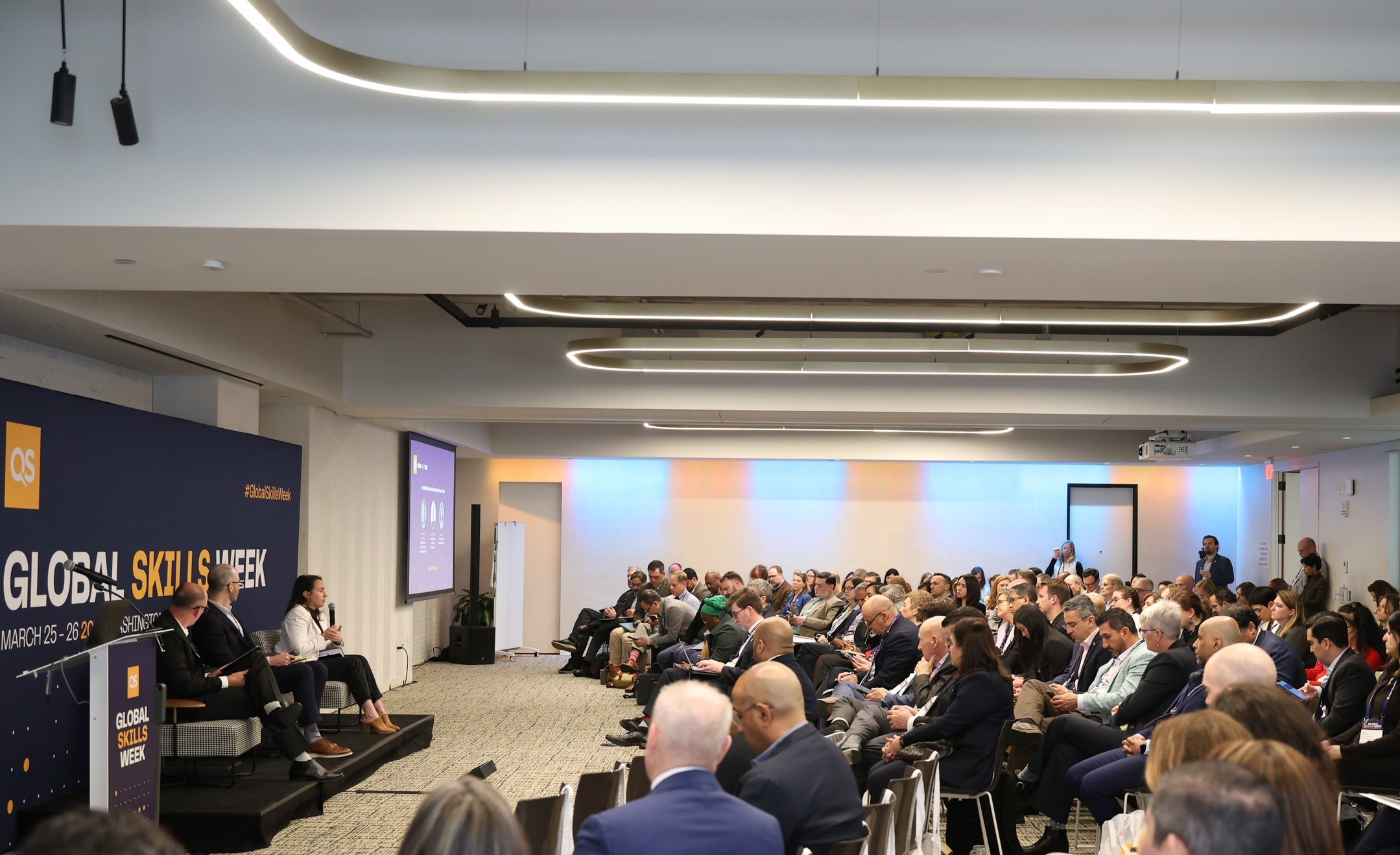
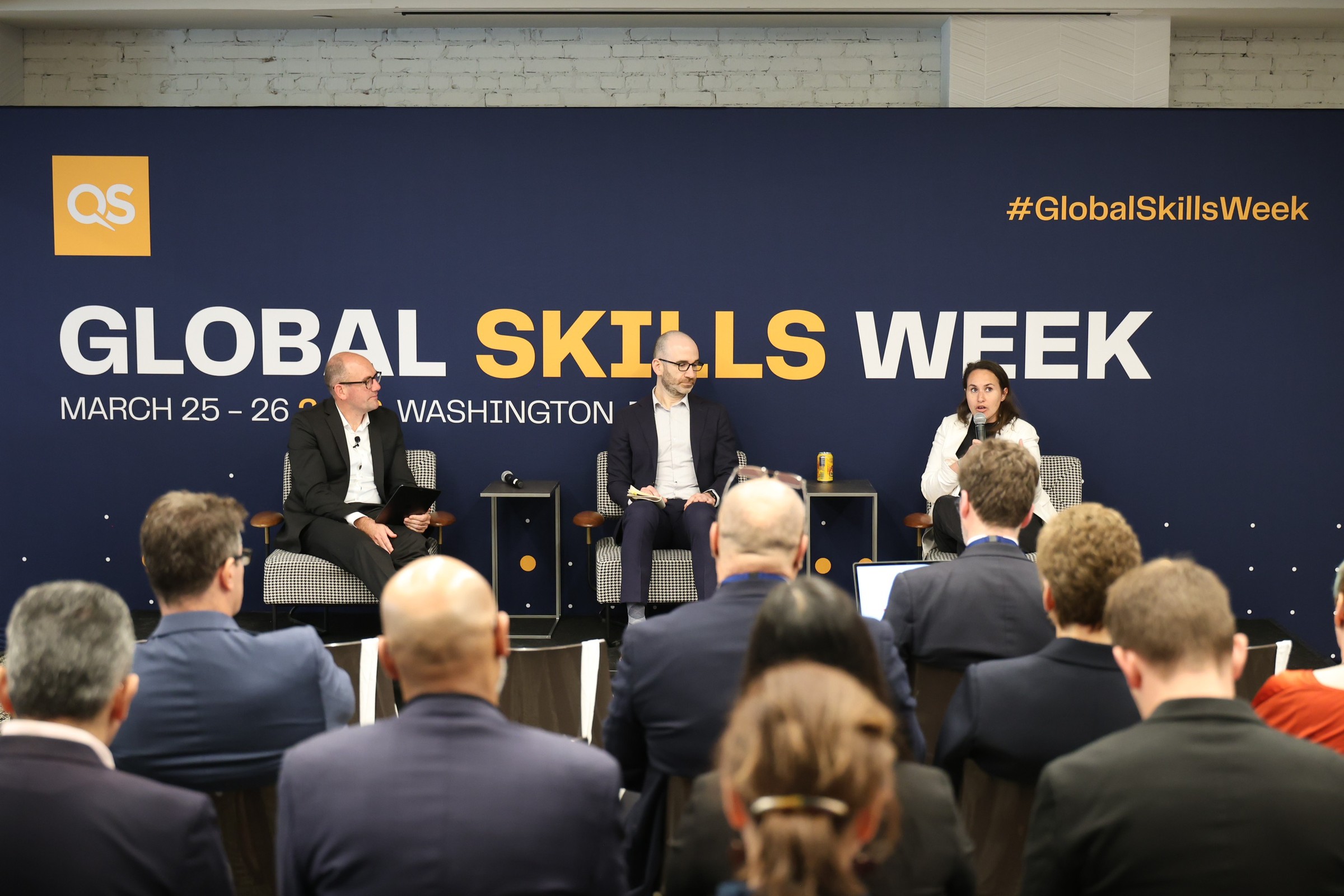
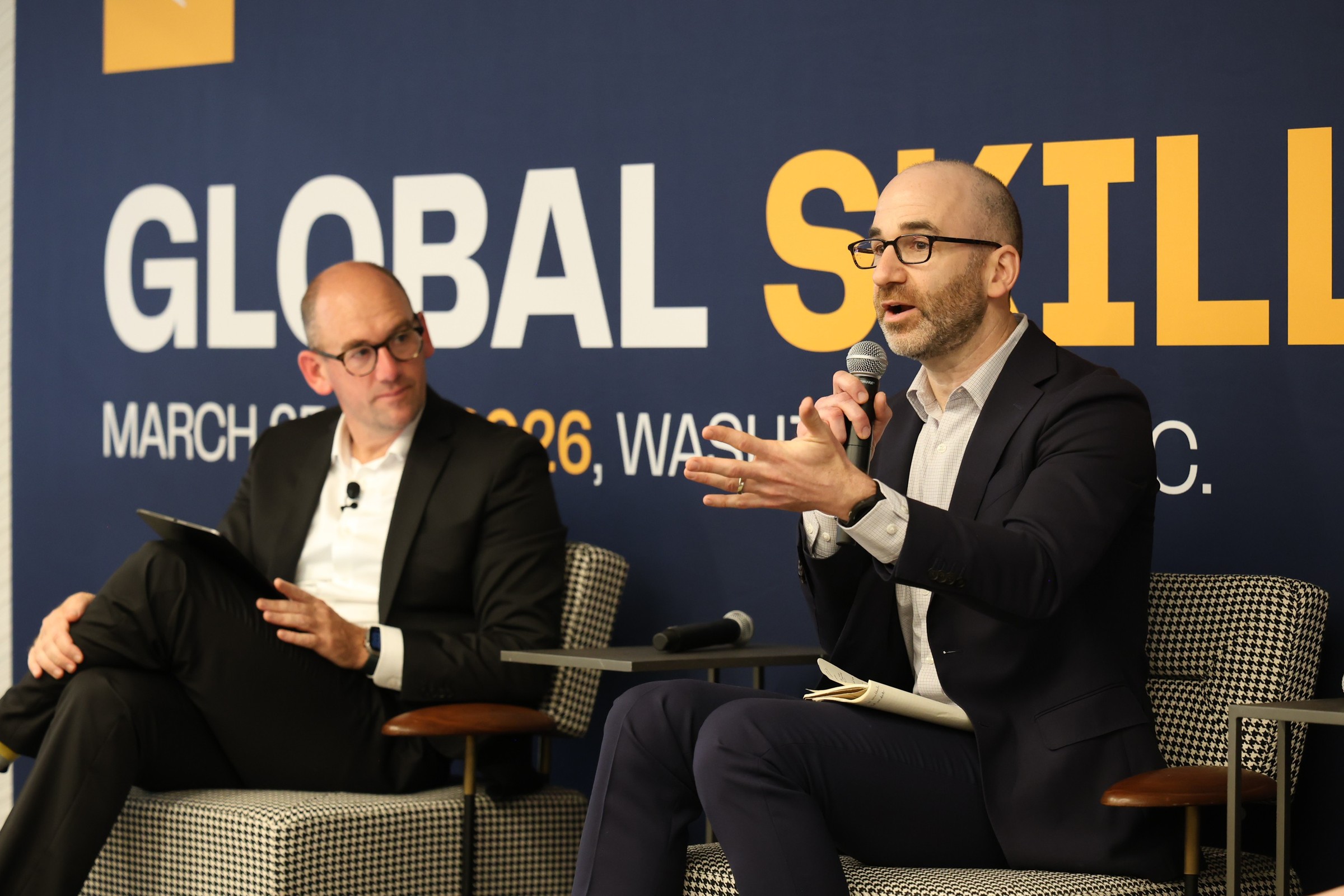
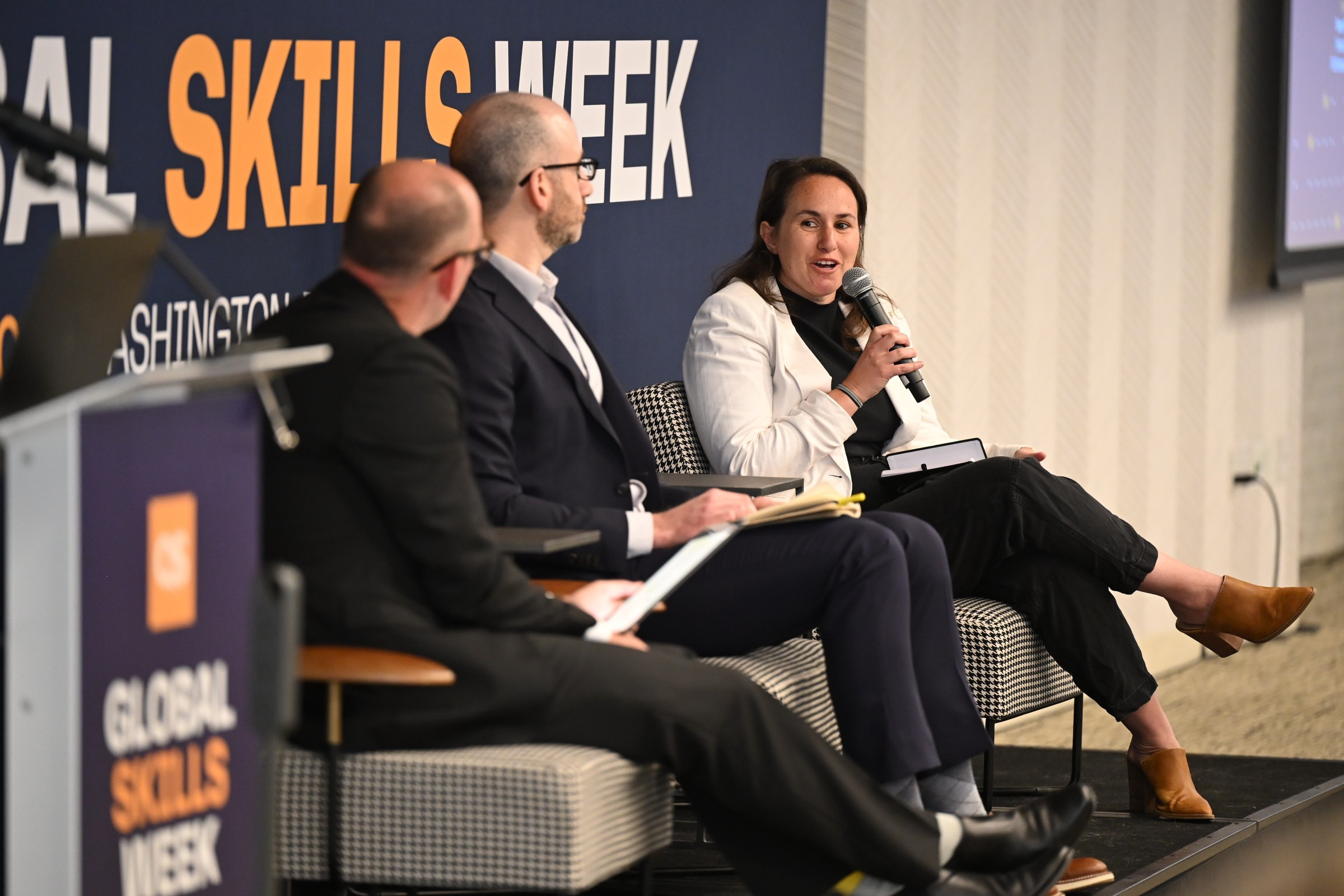
The conversation between Adam Goldfarb, Executive Director and Co-Founder of Opportunity AI, Rachel Lipson, Research Fellow at Harvard Kennedy School, and Patrick Brothers, QS Executive Director, focused on frontier technologies such as semiconductors, AI, quantum computing, and advanced energy. These sectors are already shaping local economies and creating new types of roles. While the group recognised the scale of opportunity, there remained a high level of uncertainty on the steps to prepare for it.
One of the strongest points raised in the discussion was how little detailed information exists about the jobs tied to emerging technologies.
Even at the federal level, workforce planning has been challenged by a lack of usable data. Research often points to hypothetical ways in which workers can move from one technical industry to another, but falls short on specifics. It does not always answer the questions practitioners actually face, especially when a new facility opens in a region and local leaders need to act quickly.
There is still a gap between high-level insight and operational detail. As Rachel Lipson noted, “a lot of the research was just not particularly useful in getting granular about what the jobs actually are.”
For skills leaders, this means relying less on static reports and more on direct engagement with employers and regional ecosystems.
The discussion highlighted the importance of place. New job creation is not evenly distributed. It is concentrated in what Rachel identified as “frontier regions,” where research, investment, and production are coming together.
Examples include:
These regions offer a preview of where demand is heading. They also reveal how uneven preparedness can be.
Some communities are building strong pipelines between education, training, and industry. Others are still trying to understand what skills are needed. There is an opportunity to learn from early movers, but that learning is not yet happening at scale.
The panel pushed back on the assumption that automation will follow the same pattern as previous industrial revolutions.
Earlier waves of technological change had a concentrated impact on workers without degrees, especially in manufacturing. What is emerging now looks more mixed.
Roles that involve hands-on work with machines or physical systems are holding up well so far. In many cases, new technologies are augmenting these workers rather than replacing them.
This creates a different set of questions for workforce strategy:
There is no guarantee of a better outcome, but there is a chance to shape one. For roles that are at high risk of automation, higher education and industry must collaborate to re-skill those workers.
The shift toward skills-based hiring came up as a consistent theme, but in a more grounded way than usual.
In frontier industries, such as advanced manufacturing, employers are not adopting skills-based approaches as a matter of principle. They are doing it because they need to.
Degree pipelines alone are not producing enough talent, with many roles requiring specific technical skills that can be developed outside traditional four-year programs.
This is leading to:
Higher education leaders must recognise the challenge being posed. What alternative avenues can higher education create for skills development?
Another part of the discussion focused on how AI is being applied within workforce development itself. Several use cases stood out:
There is also early movement toward what some described as “AI-native” organizations, where processes are designed around AI technologies from the start. At the same time, many existing organizations are still figuring out how to adapt.
Across all the topics discussed during the panel, one challenge kept resurfacing: the lack of shared learning.
Different regions and organizations are experimenting with workforce strategies tied to frontier industries. However, the insights and learnings are not spreading efficiently.
That shows up in a few ways:
As noted in the discussion, there is a growing body of experience across the US, but no consistent mechanism for sharing it. For skills leaders, there must be a drive to connect with peers, and build networks to share knowledge.
The discussion did not point to a single solution, but it did clarify where attention is needed.
A few priorities stand out: