


Back to webinars
Micro-credentials for skills, employability and lifelong learning
26/5/2026 1:00 PM
Session 1
26/5/2026 1:00 PM

If careers no longer follow a single path, should credentials?
As industries evolve and careers become less linear, learners increasingly need ways to build new skills throughout their working lives. Governments and employers are responding by pushing for more flexible, modular forms of education – and universities are increasingly adopting micro-credentials and stackable learning pathways.
But turning short-form learning into something meaningful and scalable is not straightforward. How should micro-credentials connect to degrees? How can they be recognised by employers? And how can institutions govern them at scale without fragmenting academic provision?
This webinar explores how universities around the world are beginning to answer those questions, and how micro-credentials are emerging as a bridge between higher education, workforce needs, and lifelong learning.
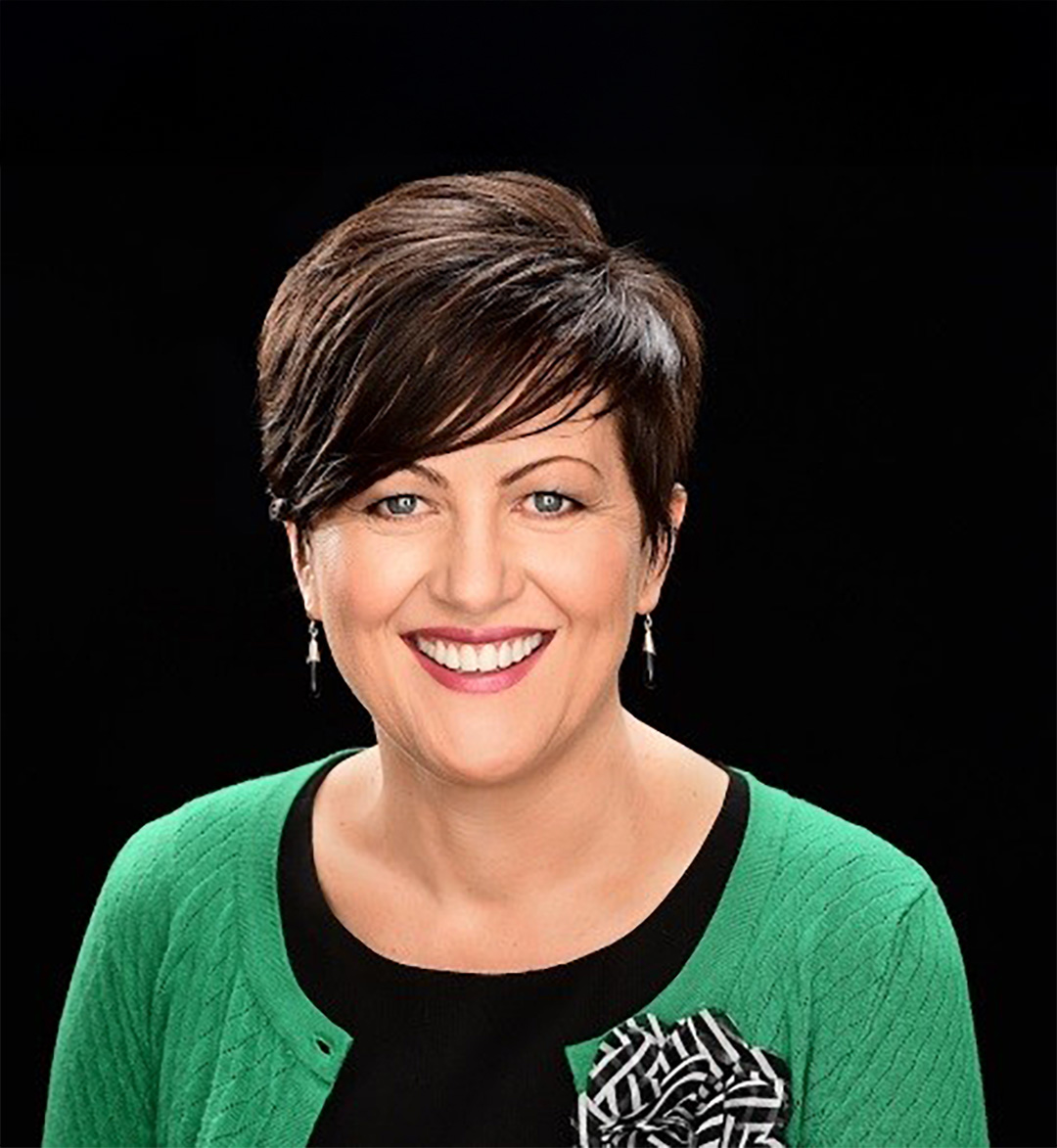
Dr. Maria Spies is Co-Founder of HolonIQ, the world’s leading research and intelligence platform for the future of education, and Chief Innovation Officer at QS Quacquarelli Symonds, where she leads the Innovation Practice, supporting universities in digital transformation and AI integration through tools such as the AI Capability Framework.

Jorge A. Rodríguez Tort is Director of Consulting and Alternative Credentials at the Institute for the Future of Education, Tecnológico de Monterrey.