

.jpeg)
Balancing innovation and accreditation: Two sides of the same coin
.png)
10 December 2025


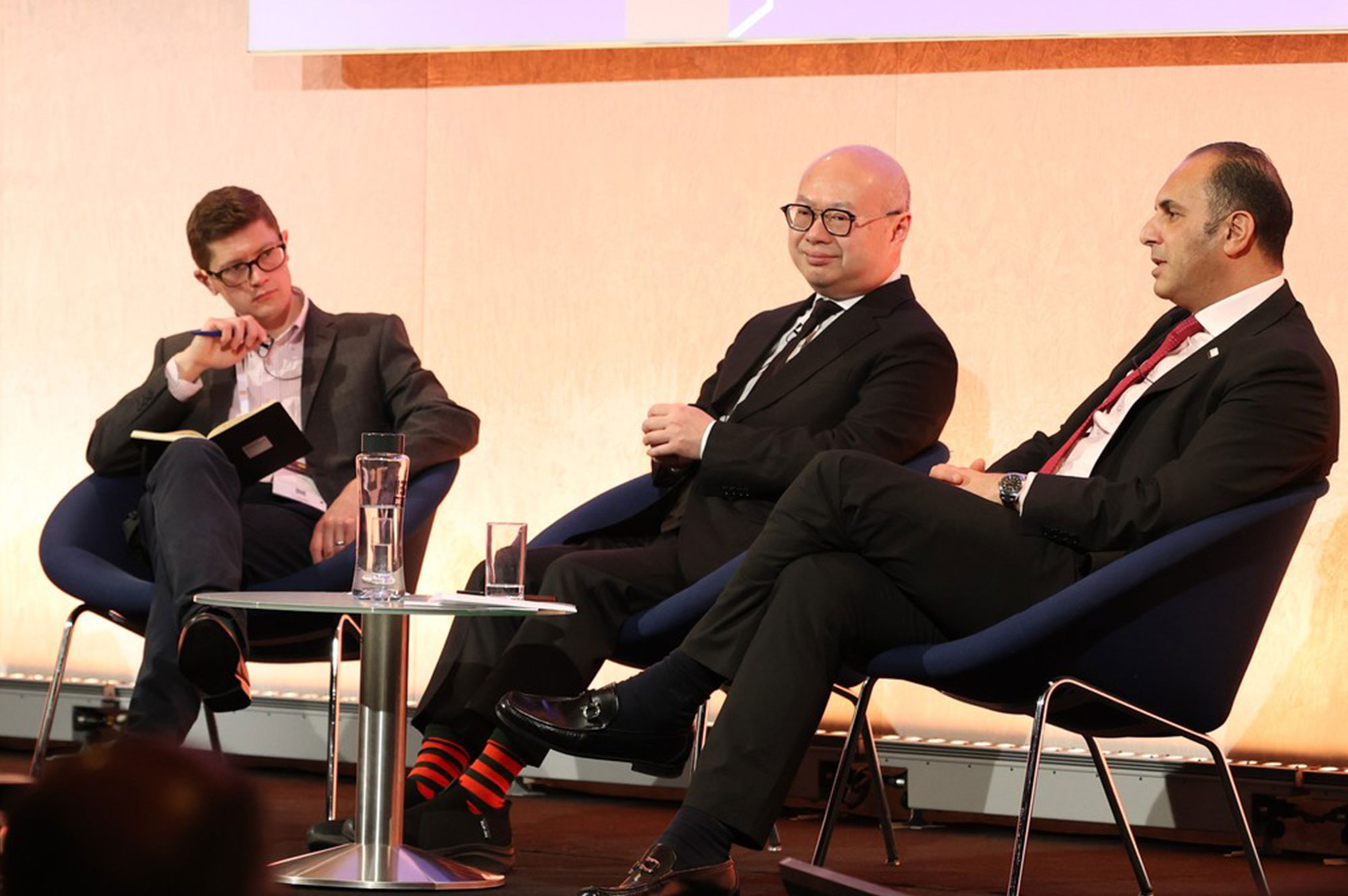
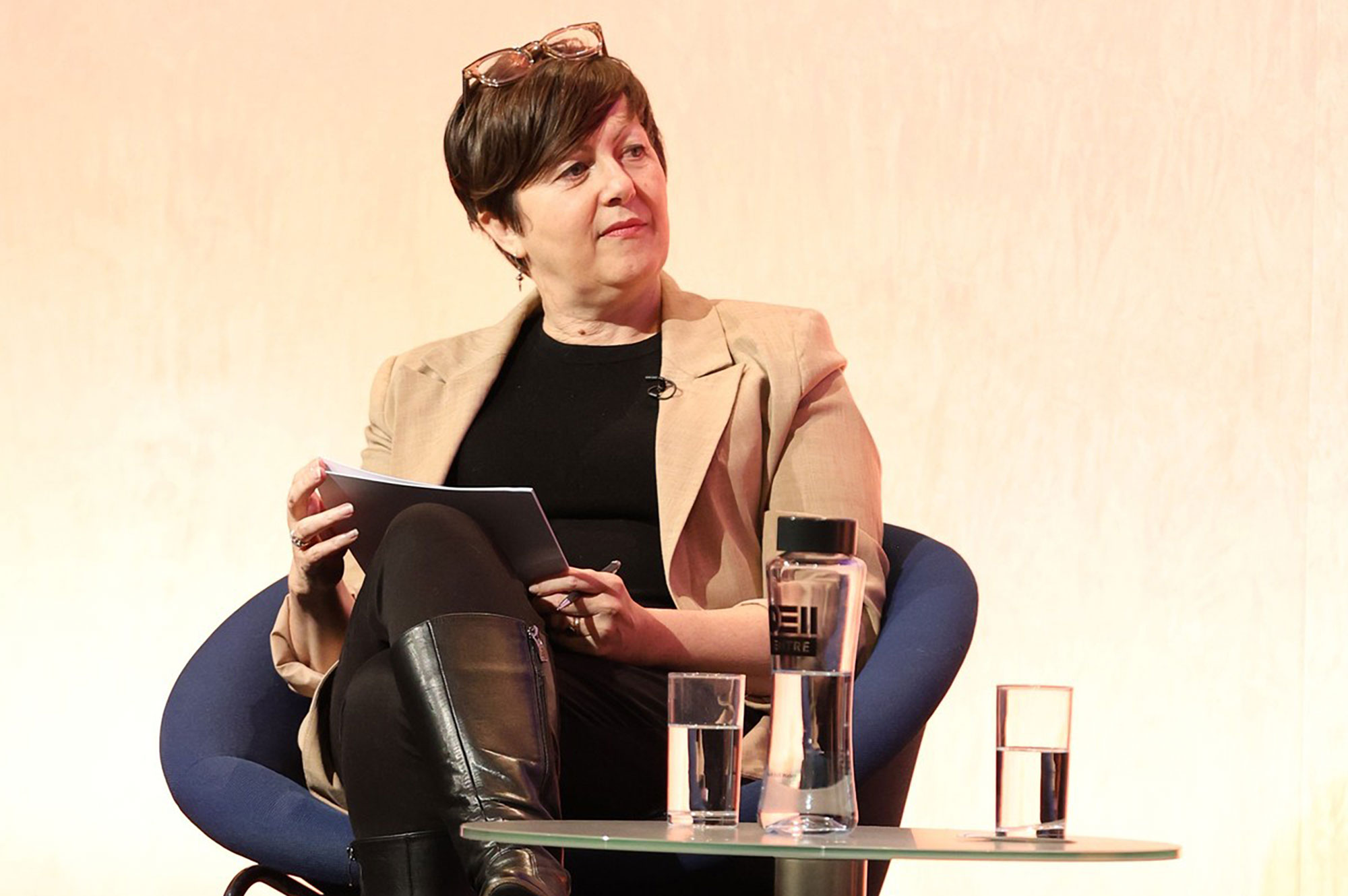
At QS Reimagine Education 2025, a panel led by QS Chief Innovation Officer, Maria Spies, explored one of higher education’s toughest questions: how can institutions keep innovating while meeting increasingly complex regulatory and accreditation demands?
Joining her were three leaders:
To start the conversation, Dr Seghir argued that the type of accreditation an institution pursues is itself a strategic choice. “The choice of accreditation is either the incentive to innovate or the deal breaker when it comes to innovation,” he stated. Highly prescriptive models can stifle innovation, while mission-driven, outcomes-based frameworks can actively support it.
At Ajman University, local UAE accreditation has shifted from rigid inputs to an outcome-based framework, while the institution also maintains WASC (US) and QAA (UK) accreditation. Internally, Ajman sets its own quality bar above external standards, building strong evidence for everything it does.
Crucially, Dr Seghir described the cultural work required: when accreditation is announced, most stakeholders are neutral, many are resistant, and a minority are excited. Ajman deliberately mobilises that excited group to run workshops, raise awareness and gradually build teams who can “speak both languages” – innovation and accreditation.
For a university serving students from conflict-affected countries across the MENA region, he argued that societal impact – such as scholarships for under-represented communities or initiatives like a mobile dental clinic that has treated thousands of patients – should count at least as much as traditional research metrics.
From the medical sector, Professor Wong stressed that innovation and accreditation are “two sides of the same coin”, especially in fields where the knowledge cycle now renews in as little as two to two-and-a-half years.
Key enablers he highlighted include:
Professor Wong described UBC’s shift from a single-campus medical school to a geographically distributed model with multiple regional campuses, including rural and remote locations. Initially disruptive to traditional accreditation assumptions, this model is now backed by longitudinal evidence: the vast majority of graduates practise in the communities where they train, including underserved areas.
For him, accreditation bodies don’t just have a responsibility but a duty to support innovations that demonstrably improve outcomes and advance social accountability.

Representing UK business schools, Oliver Lowe framed higher education as a systemically important, highly regulated sector, comparable to aviation or finance - “Being in a regulated sector signals societal and economic importance.” Regulation, he argued, signals societal trust: we board planes and deposit money in banks because we believe standards are enforced.
Within this context, accreditation can be a powerful driver of innovation. CABS’ Small Business Charter, held by around half of UK business schools, recognises and accelerates innovation in supporting SMEs and entrepreneurs – from co-designed programmes with business to large-scale executive education initiatives such as the UK government’s Help to Grow Management programme.
Lowe emphasised that when regulators act as “critical friends”, using principles-based and proportionate oversight, they create the conditions for innovation. Tensions arise when political pressure leads to intrusive micromanagement (for example, around grade inflation), eroding trust and triggering defensiveness.
Across all three perspectives, the panel converged on one central idea: the real “gap” between innovation and accreditation is often cultural, not structural.
Bridging it requires:
Done well, accreditation becomes not a brake on innovation, but a lever – providing legitimacy, structure and evidence for the changes institutions need to make in a rapidly evolving world.







.png)