
.jpeg)
K-Student Recruitment: The role of pop culture in Korea’s international student boom

14 January 2026


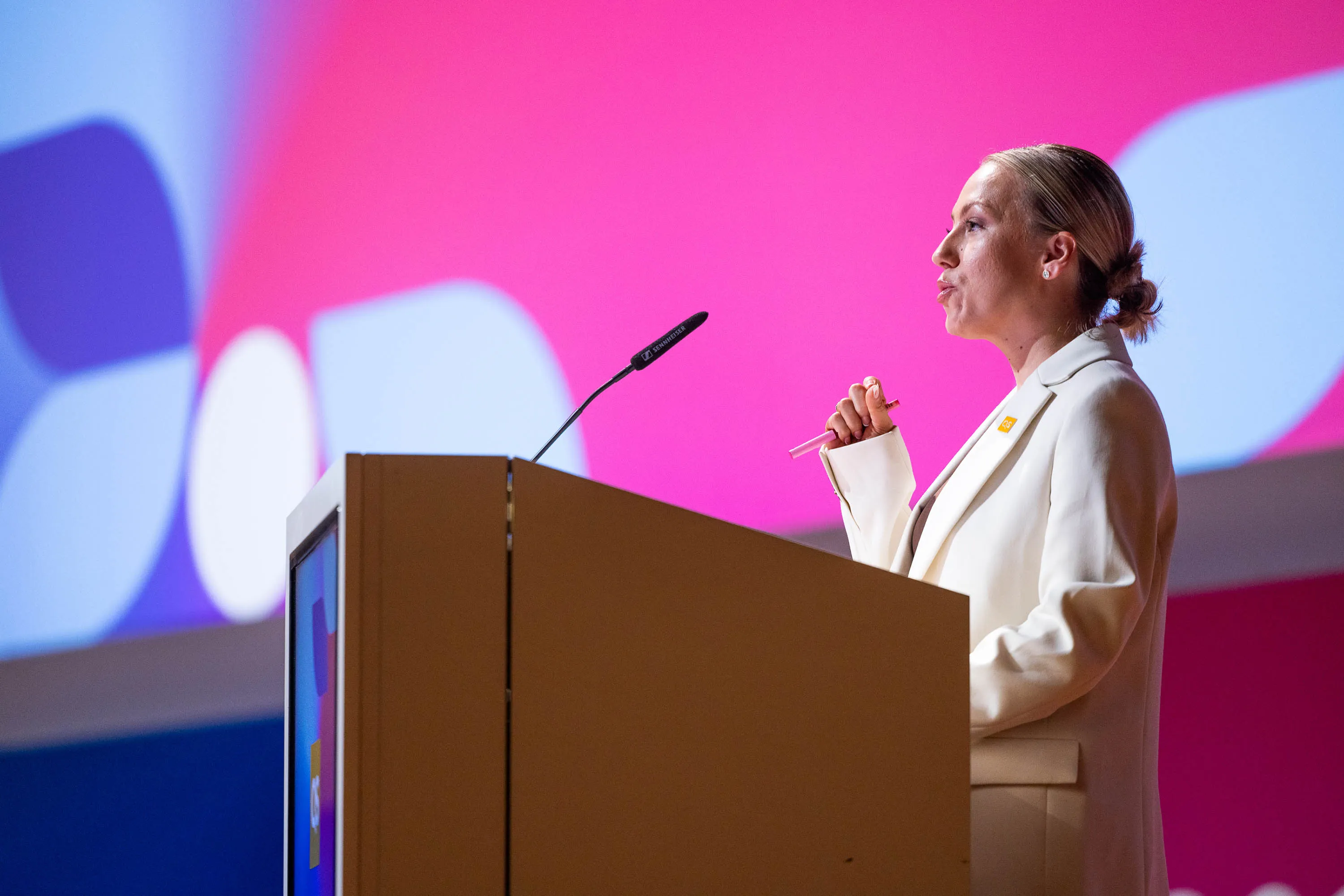
In the summer of 2025, Korea reached its 300,000 international student target two years ahead of schedule and we named Seoul the world’s number one QS Best Student City. In a fireside chat at the QS Higher Ed Summit: Asia Pacific 2025 in Seoul, QS Associate Director of Content Jen Foster spoke to Dr Michael Hurt - Adjunct Professor at Korea National University of the Arts (K-ARTS) and Director of the Korean Advanced Research & Studies Institute (KARSI) - to find out more about the global draw of Korean pop culture and its influence on student decision-making. When asked how much the global popularity of Korean pop culture is attracting students to Korea, Dr Hurt replied: “It is the reason they’re here”.
There was a time, he explained, that Korean universities were hesitant about developing K-Pop classes, amid concerns that they might appear trivial or less worthy of academic study than more ‘serious’ fields like Korean history, literature and philosophy. Now, he said, it is commonplace to have K-Pop and K-Culture on the curriculum, adding: “It is undeniable, they [students] are literally knocking at the door. Everyone wants to be here.” Just because an interest in K-Pop is what initially piques a student’s interest, it isn’t to say it can't lead to deeper and more academic engagement. In his opinion, are universities harnessing this phenomenon effectively? “The smart ones, yes.” He added: “If you ask people why they’re here in Korea studying a master’s, if you push them, it’s often K-Pop that drew them here in the first place.”
The origins of the Korean wave – or ‘hallyu’ – can be traced back to Psy’s 2012 hit song Gangnam Style, he says, which surged from a YouTube sensation into a mainstream phenomenon. There had been intentional efforts to introduce Korean culture to the world before then, including with Rain and the Wonder Girls. Yet, it was Psy’s satirical take on the affluent Gangnam district of Seoul that broke through into the global mainstream. Since then, there has barely been a year where Korean film, music or TV have been off the must-watch list, from Parasite to Pachinko, K-Pop Demon Hunters to Squid Game and BTS to BLACKPINK. Korea has long been global in its outlook, Dr Hurt explained, and, while many of these cultural sensations are deeply rooted in Korean realities, they resonate universally because of their focus on shared anxieties around inequality, social pressure and hyper-capitalism. Even K-pop, he pointed out, is a fusion of global influences including American hip-hop, R&B, 90s boy bands brought together in a uniquely Korean way that people can “understand and feel”. With K-Pop Demon Hunters, for example, he described a “hesitation” among domestic audiences to believe the hype until there’s concrete international recognition, which is the “currency that makes it real”.
Undoubtedly, governments and cultural organisations in other countries are taking notice of the correlation between successful cultural exports and international student numbers. Dr Hurt recalled attending a conference in Vietnam where officials sought to understand how Korea has generated such incredible soft power and whether it could be replicated. Dr Hurt was pragmatic in his advice, saying: “If I had the answer of how to produce success on demand, I’d be making a lot of money.” He explained that there was no magic formula and, in fact, breakthroughs often emerge from unexpected creators and unconventional ideas, adding: “Every big hit in Korea was met with ‘Really them?’ Who saw Squid Game coming? It’ll be something out of the blue.”