

.jpeg)


What Will Separate Successful US Universities by 2030?
.png)
23 February 2026


US higher education is entering a structural squeeze. The study-age population is projected to flatline, domestic enrolment has fallen 4% since 2015, and competition for internationally mobile students is intensifying as demand growth shifts toward Africa and the Asia Pacific.

By 2030, competitive advantage will depend less on legacy prestige and more on strategic execution.
Demographic slowdown in North America is long term. Fewer domestic students are entering the traditional college-age bracket, and enrolment declines have persisted for nearly a decade.

Globally, however, mobility is expanding. According to Global Student Flows, international student numbers are projected to reach around 8.5 million by 2030. The difference is geographic: population growth across Africa and parts of the Asia Pacific is reshaping where future demand will originate. These markets are more price sensitive, policy aware and outcomes focused, reducing reliance on historic recruitment patterns or a narrow set of source countries.


It’s not about demand, but about whether US institutions are ready to take advantage of it.
The US retains structural strengths, accounting for 26% of the world’s top 100 universities and demonstrating broad subject excellence.

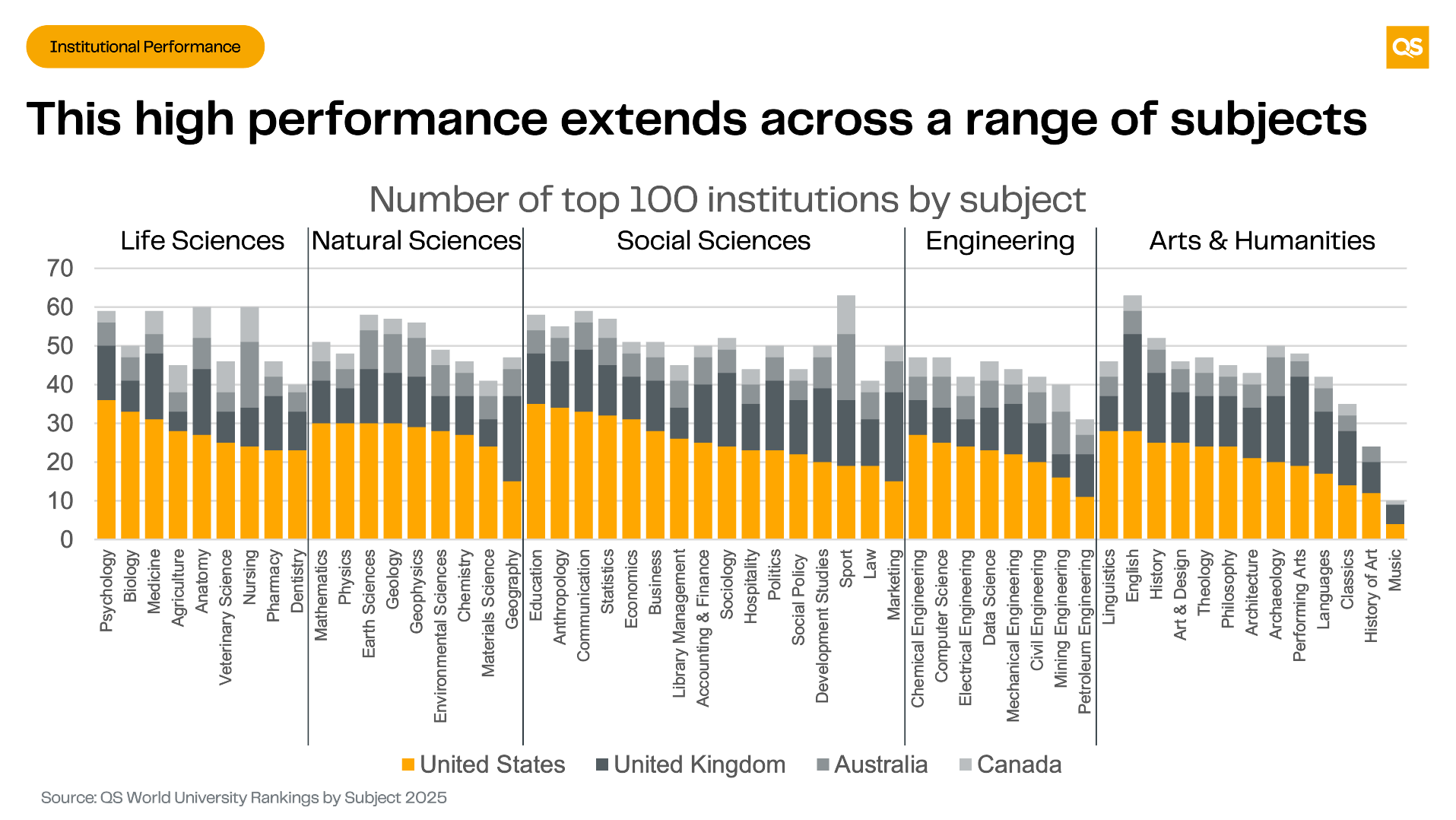
Reputation directly affects enrolments. When academic perception shifts, international recruitment feels it quickly. In competitive markets, students choose institutions, not destinations.


Institutions that actively protect and rebuild Academic Reputation will be better insulated from domestic demographic pressure.

An increase in prospective international student numbers means stronger competition. Alternative destinations are sharpening global positioning, adjusting post-study work policies and investing in student experience, while student sentiment is increasingly sensitive to policy stability.

At the same time, demand growth is emerging from more price-sensitive markets, raising expectations around affordability and return on investment. Skills disruption and AI-driven labor market change are also reshaping program preferences, with employability and flexibility rising in importance.
Institutions that fail to align portfolios with evolving industry demand risk losing ground, regardless of brand strength.

By 2030, strategically mature institutions will:
The next phase of US higher education competitiveness will not be defined by historic prestige, but by the ability to realign reputation, portfolio and market engagement with a shifting global education economy.
Demand is evolving faster than the sector. Institutions that adapt at pace will be the ones that remain competitive by 2030.







.png)