

.jpeg)


TNE in India: What students want – and why parents shape the decision
.png)
10 April 2026


India’s transnational education (TNE) landscape is undergoing a structural reset. The expansion of international branch campuses (IBCs) reflects more than growing global interest; it signals a shift in how institutions engage with Indian students, whether they study abroad or within India.
For universities, this creates a more complex and competitive environment. India remains one of the world’s largest outbound student markets, but student choice is becoming increasingly selective, value-driven and outcomes-focused. As new in-country options emerge, international institutions must compete not only globally, but within India itself.
At the QS India Summit 2026 in Goa, these dynamics were a central focus of discussion. As Kuldeep Reddy, QS Senior Consultant, highlighted in the session “TNE in India: Strategic Choices in a Market Reshaped by IBC Entry", understanding how decisions are made in the Indian market is critical. While often framed as student choice, higher education decisions in India are in many cases driven primarily by parents and wider family expectations.

India’s higher education market is often defined by its scale. But what is more important – and often misunderstood – is how students and families make decisions.
As Kuldeep Reddy noted during the session, decision-making in India is rarely student-led: “your whole marketing … should go into convincing the parents and not … the students, because in at least most of the cases, family is still the key influencer.” He added that in around 80% of cases, the final decision is made by parents.
QS International Student Survey data shows that Indian preferences differ significantly from Western markets. Rather than focusing primarily on institutional brand, decision-making - often led by parents - prioritises a combination of quality and value.
The most important drivers include
This reflects a broader shift towards return on investment as the central decision-making lens, particularly for families who are often the primary financial and strategic decision-makers.
For international institutions, this presents a challenge. Entering with premium pricing based solely on global brand strength may not resonate immediately. Instead, institutions must first establish credibility (through teaching quality, outcomes and accessibility) before scaling pricing over time.
For IBCs entering the market, this reinforces the need to balance global brand with affordability and accessible pathways from the outset.
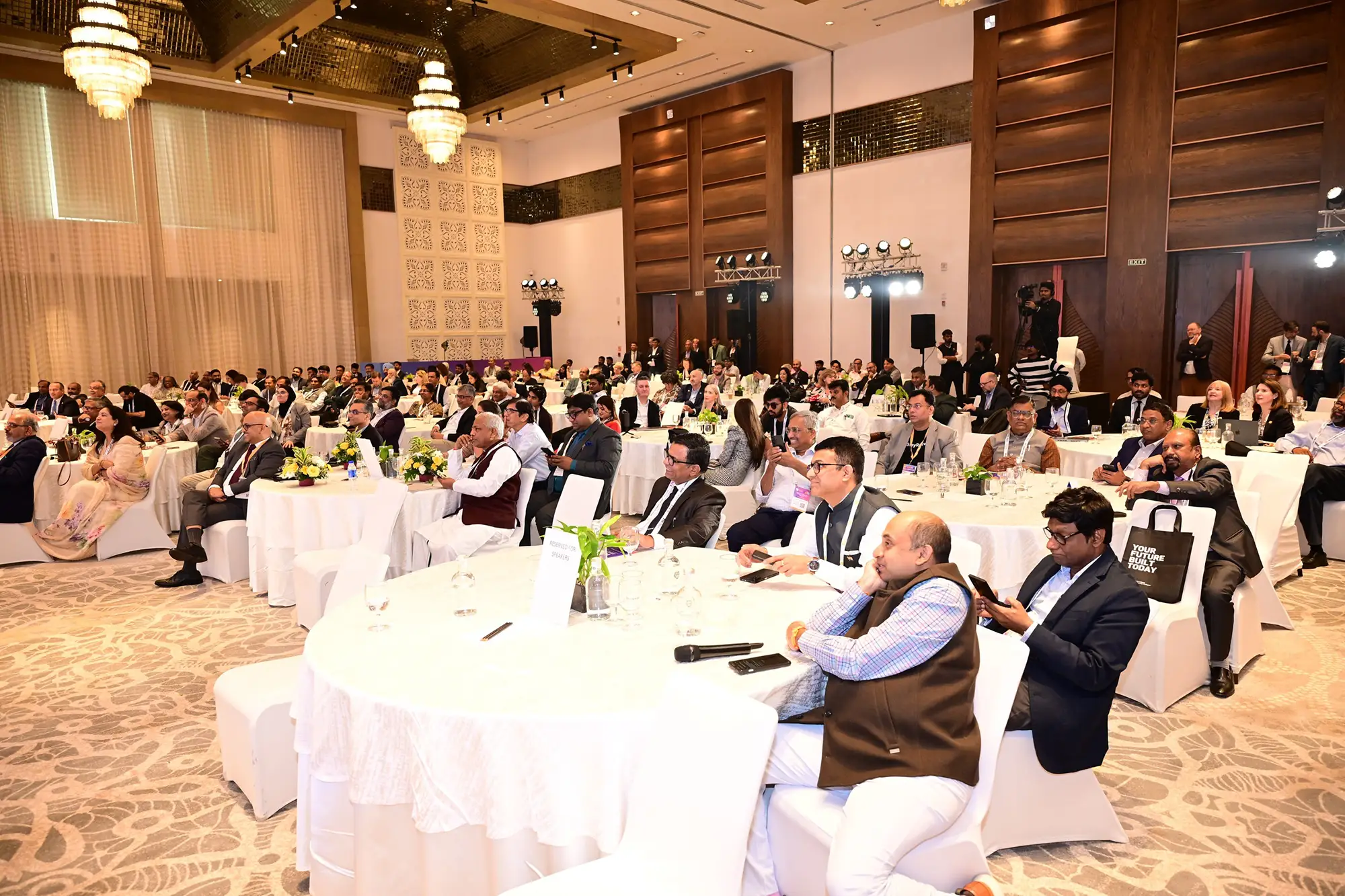
The expansion of international branch campuses (IBCs) is central to the shift in India’s TNE landscape. As highlighted in the panel, IBCs signal a move from India as a source market to a destination for high-value transnational education.
However, success in this market is not guaranteed. Institutions must be clear about how they position themselves – whether they are competing directly with leading Indian universities, partnering to build local credibility, or repositioning around niche strengths. This depends on factors such as brand recognition in India, employer engagement and the ability to deliver strong graduate outcomes.
A defining characteristic of the Indian market is the emphasis on employability - not only from students, but from parents who view higher education as a direct pathway to career security. However, unlike many global markets, strong outcomes are a baseline expectation, rather than a competitive advantage. In India, leading institutions often aim for near-total placement within a short period after graduation. Career services are expected to be highly proactive, with structured pathways into employment.
This creates a fundamental contrast with systems in the UK, US or Australia, where:
In India, by contrast, institutions are expected to play a direct role in ensuring outcomes.
For IBCs, this means:
Without this, even strong academic offerings may fall short of expectations.
One of the more nuanced insights from the session is that reputation is highly localised. Institutions may have strong global standing, but this does not guarantee recognition among Indian students, families, academics or employers. QS data highlights that Academic Reputation and Employer Reputation can diverge significantly, even for well-known universities.
In practice, this means:
This has direct implications for student choice, particularly in a system where employability outcomes are critical.

For institutions entering India, building reputation requires a multi-dimensional approach, including:
Importantly, this is a long-term process. Attempting to monetise brand value too quickly, without establishing local trust, can limit growth and weaken positioning.
As India’s TNE landscape evolves, one message is clear: institutions cannot rely on global reputation alone. Students and families are prioritising quality, affordability and, above all, outcomes. Employability is not a differentiator but an expectation, and perceived value plays a decisive role in choice.
For international institutions, success will depend on how well they align with these priorities – delivering strong teaching, clear career pathways and credible value from the start. In a market defined by informed and outcome-focused decision-making, understanding what students want is no longer an advantage, but a requirement.








.png)