.jpeg)
Young people, real problems, fast solutions: Inside QS ImpACT Youth Summit 2025
.png)
16 December 2025


What happens when young people are given the space, tools, and time to work on real SDG problems? Over two days in London, the QS ImpACT Youth Summit 2025 offered a clear answer: practical, youth-led solutions shaped by responsible innovation, cross-cultural collaboration, and a focus on wellbeing and equity.
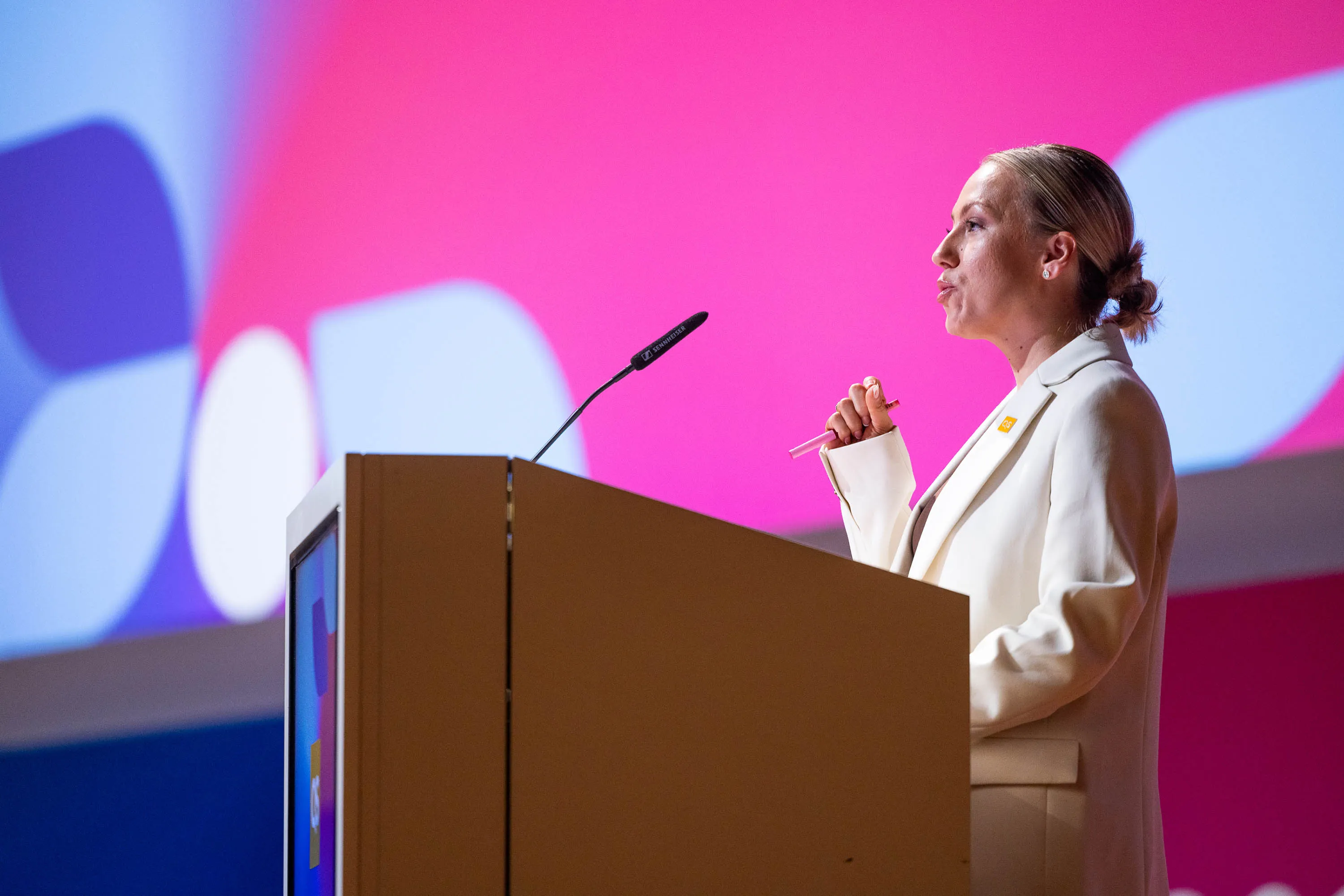
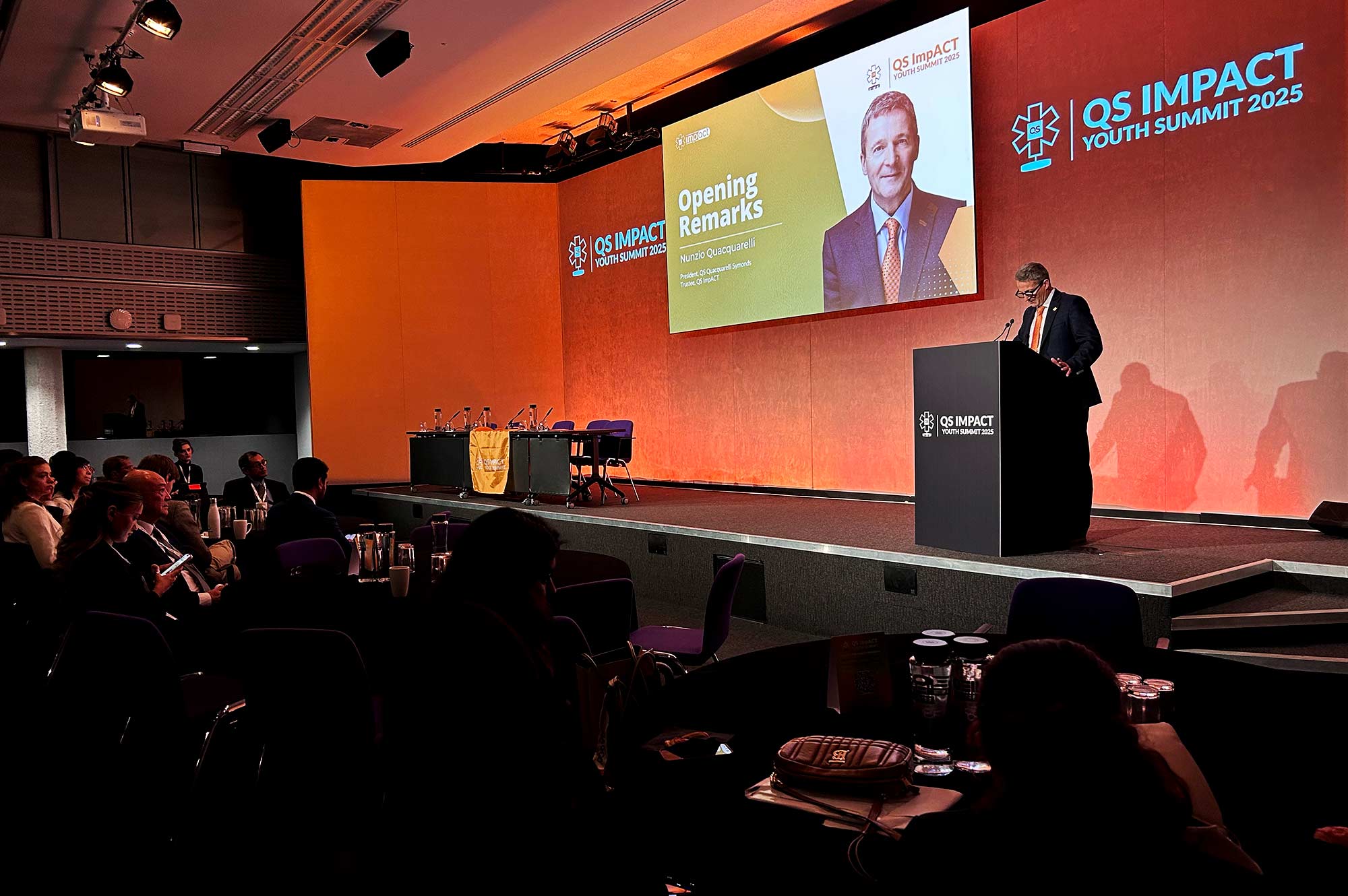
At the heart of QS ImpACT is a clear vision: to become an SDG talent incubator for a better world, equipping students with the skills to drive impactful actions. In his opening remarks, Nunzio Quacquarelli, Founder and President of QS Quacquarelli Symonds, captured the spirit of the Summit, noting that “impact happens when young people come together.” By working with universities ready to commit to sustainability agendas and create positive change in society, QS ImpACT aims to help young people move from ideas to initiatives that advance the Sustainable Development Goals.
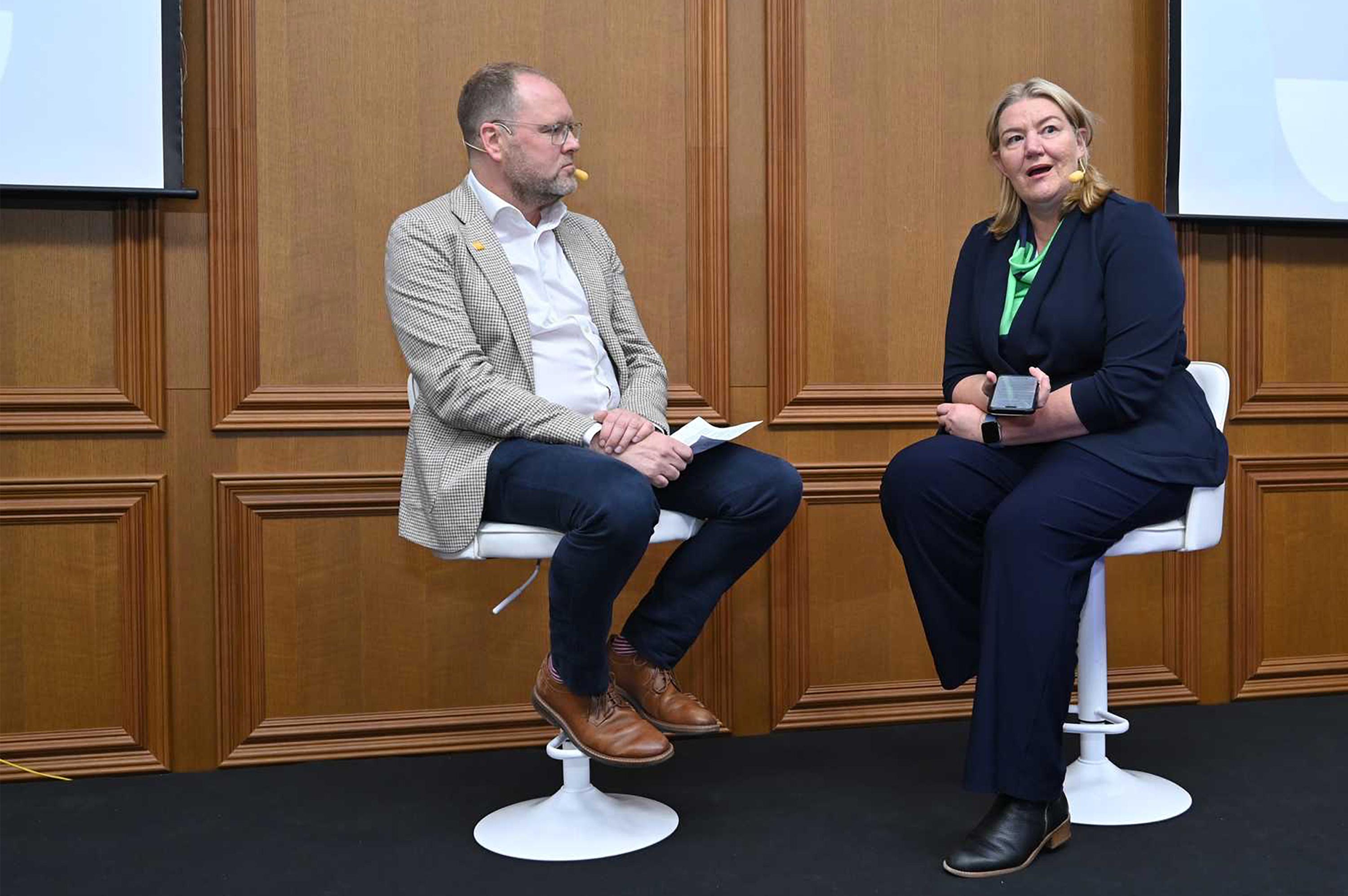
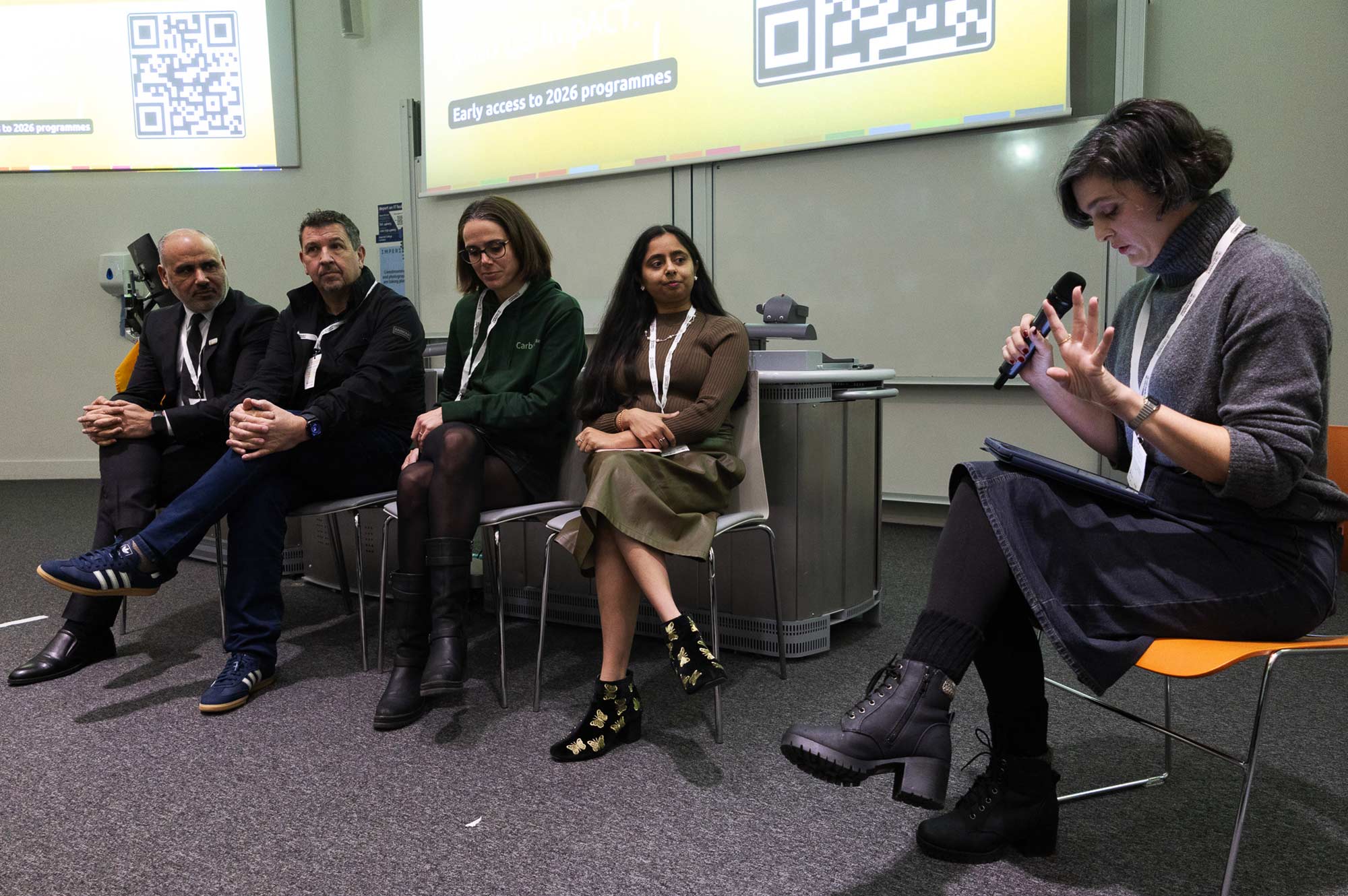
Can AI be a force for good? A panel, moderated by Olivia Herneddo, MFA, Hackathon Producer and Facilitator, with Dan Munnerley, Founder and Executive Director of Next Lab at Arizona State University, Kinjal Dave, Senior Consultant at BAE Systems Digital Intelligence, Prof. Khaled Assaleh, Vice Chancellor for Academic Affairs at Ajman University, and Buffy Price, Co-Founder & Director at Carbon Re, connected discussions on responsible AI with the practical work that followed. Framing AI as a tool shaped by human values, the panel encouraged delegates to think about equity, education, and climate through a responsible innovation lens, which fed directly into the AI for ImpACT Challenge. Over 200 young people formed cross-cultural teams, debated ethical questions, and developed AI-powered concepts focused on education, climate, and health. The winning projects were a “prompt-efficiency meter” to optimise energy use in B2C AI applications, a home-based STEM learning kit aimed at closing access gaps in US STEM education, and a social-currency meet-and-greet app designed to address university-level social isolation.
Youth action on sustainability is urgent, and Andrew Griffiths, Policy Director at Planet Mark and co-founder of the Carbon Accounting Alliance, made that case with clarity and conviction. The keynote speaker shared a personal turning point from six years ago, when a Cambridge University course on business sustainability management reshaped his understanding of the climate crisis. The issue, he explained, is not the result of slow damage accumulating over centuries. Citing data from a 2015 research paper, Griffiths pointed to the “Great Acceleration” around 1970, when energy consumption and emissions rose sharply, meaning that just three generations have pushed the planet’s ecosystems to breaking point. As he put it, “If all it took was 55 years for us to unintentionally, in an unplanned way, in an uncoordinated manner, do this much damage, surely we can fix the problem in less time, in a planned, coordinated and intentional way.”
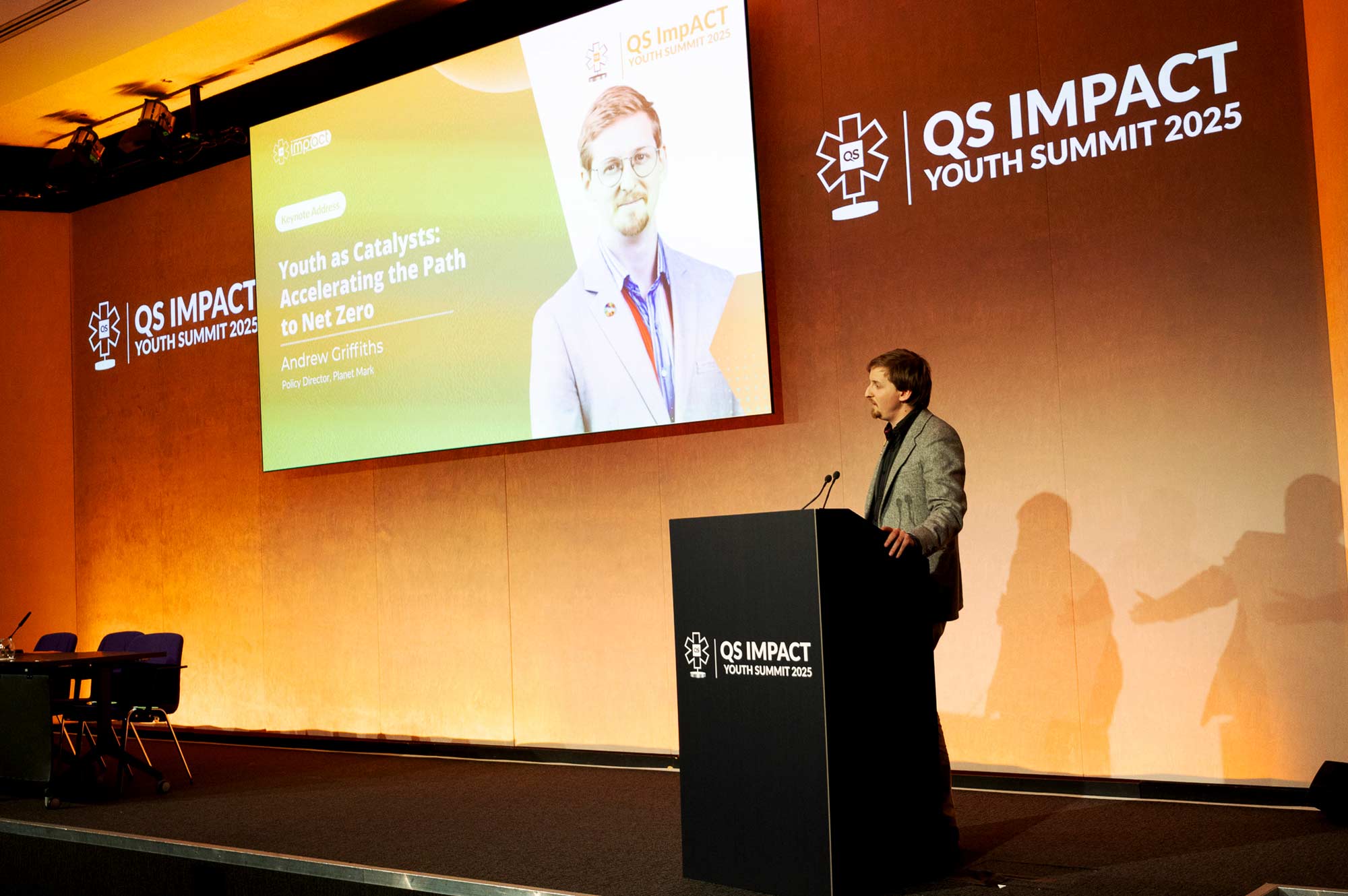
Crucially, Griffiths stressed that the crisis was not created by design. It emerged through unintended, uncoordinated choices - an argument he used to underline the scale of what is now possible. If three generations could trigger such sweeping change by accident, he argued, two generations should be able to reverse it through deliberate, collective action. In his view, young people are uniquely positioned to lead that shift because they understand both the problem and the solutions already on the table.
He challenged delegates to start by asking difficult questions - especially in spaces where power and decisions sit. “I have lost count of the number of times CEOs have told me they are making meaningful change because graduate students asked difficult questions in interviews,” he said, urging students not to accept vague answers and to keep pressing for substance. At the same time, he encouraged a broader view of what climate leadership looks like. Rather than feeling guilty for not being activists or sustainability specialists, young people should focus on their own strengths and interests, because the green transition needs every kind of expertise and profession working together.
Finally, Griffiths widened the lens beyond carbon and policy to the deeper drivers of the crisis. Overconsumption, disconnection, and a lack of cooperation, he suggested, sit beneath today’s environmental breakdown. The climate emergency is a symptom of these wider human challenges - and unless those root causes are addressed, he warned, the crisis will persist and new ones will follow.
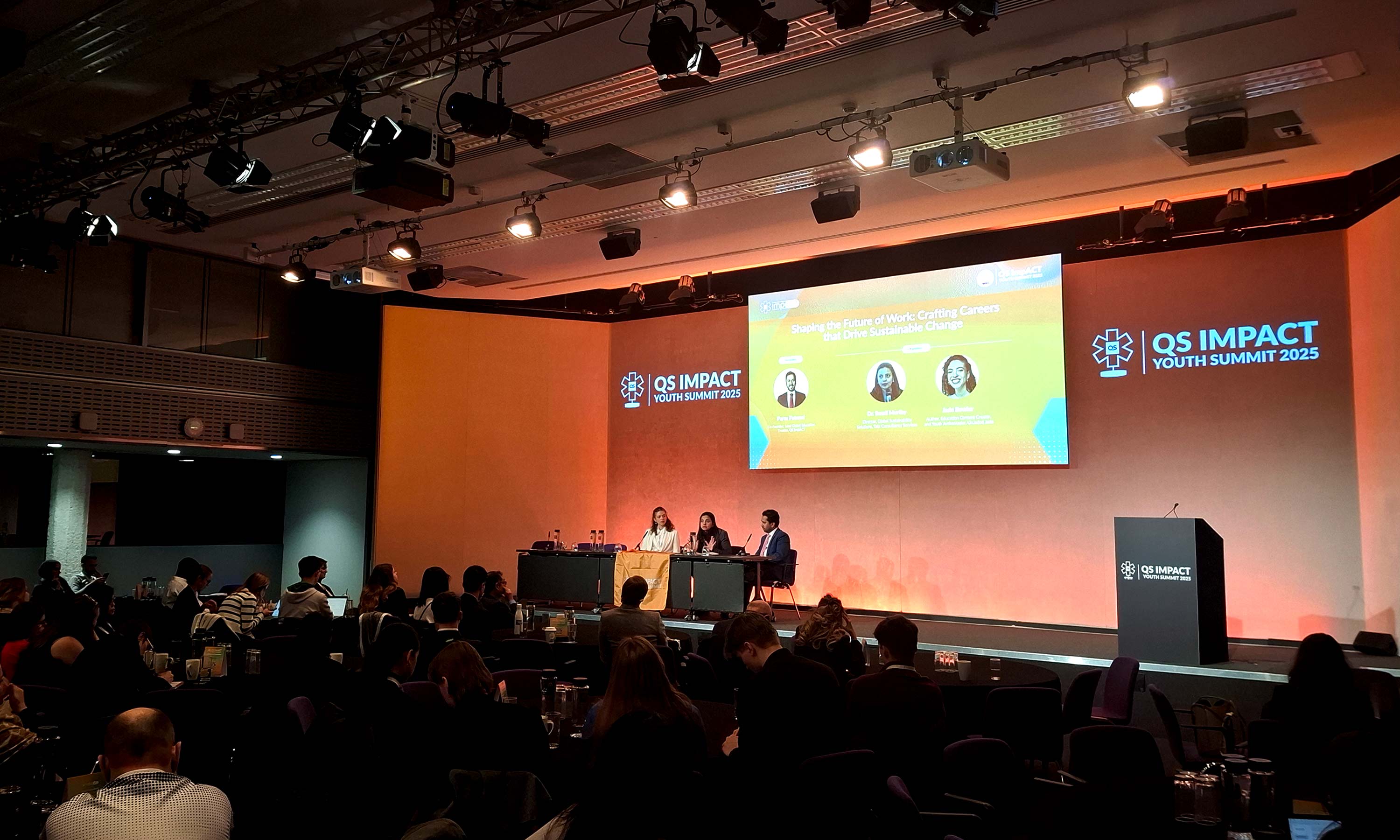
A session brought together panel speakers Dr Swati Murthy, Director of Sustainability Services at Tata Consultancy Services, and Jade Bowler, author, education content creator, and youth ambassador, to explore the future of work and how young people can build careers that deliver meaningful change, particularly in sustainability. Both speakers pointed to the skills young leaders will need to navigate and succeed in a fast-changing world.
Bowler focused on problem-solving as a core sustainability skill: the ability to spot real-world challenges, ask the right diagnostic questions, and design solutions that are genuinely new. She stressed the value of gap analysis - understanding what already exists, what is missing, and where innovation can make the biggest difference - while also pointing to the importance of resilience and mental wellbeing as the inner foundation that sustains long-term impact.
Dr Murthy echoed the need for adaptability, urging students to stay curious and keep learning throughout their careers. In a hyper-connected world, she argued, complacency is a risk: new problems will continue to emerge, and young professionals must be ready to apply their skills in fresh, high-impact areas. She encouraged the audience to look towards fields such as digital development and AI, not as separate from sustainability, but as some of the most relevant spaces in which to build solutions for the future.
“You have to keep learning. You have to keep your eyes open. You cannot afford to become complicit.”
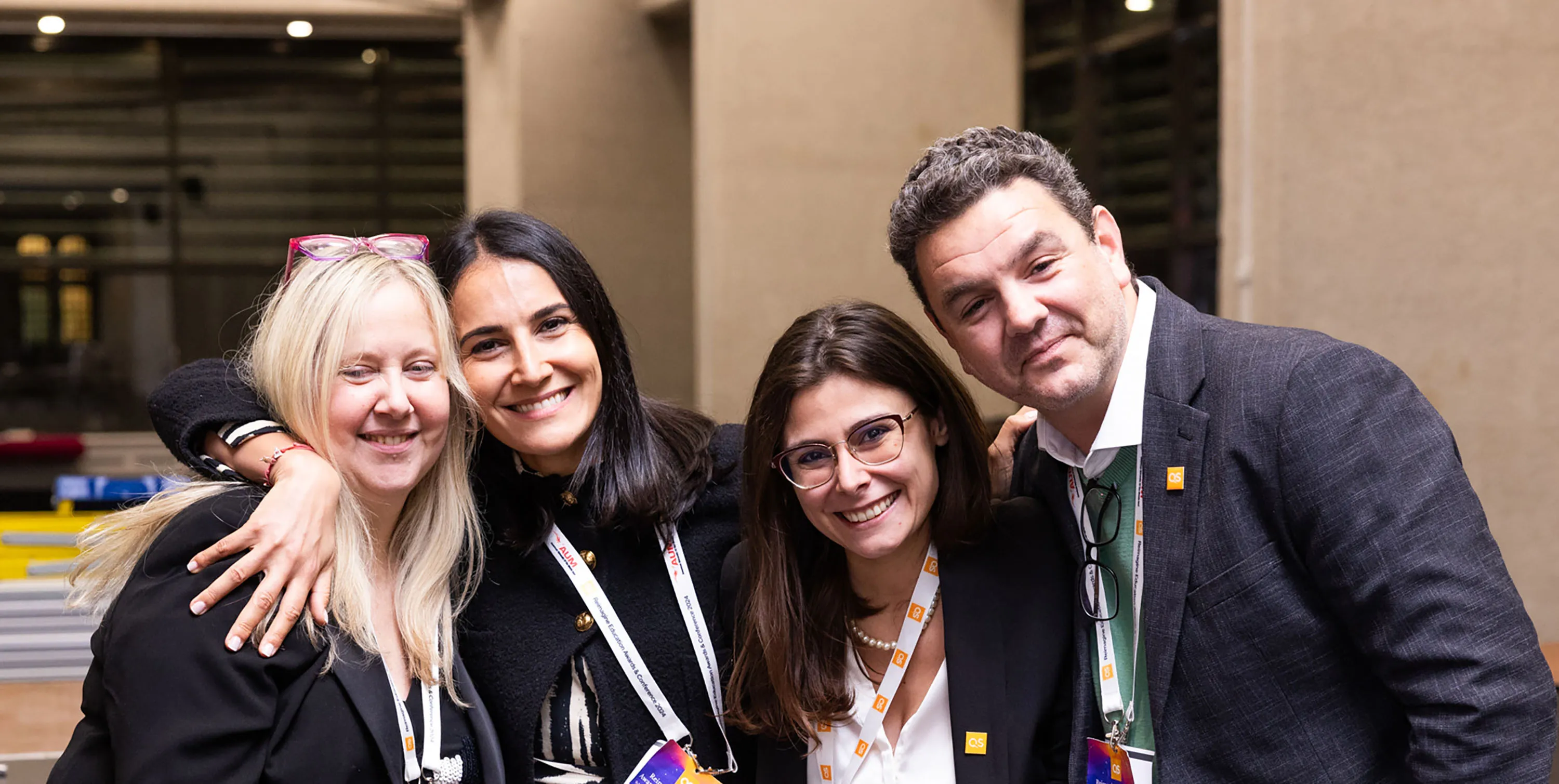
The Summit featured the Live ImpACT Pitch Challenge, powered by Central Asian University - a fast-paced, practical session that asked delegates to move from insight to solution in real time. Students from around the world worked in mixed teams of five to seven and had just 30 minutes to design an innovative, SDG-aligned programme, campaign, or product responding to pressing global needs, then deliver a two-minute pitch followed by a one-minute Q&A with judges.
The challenge centered on two priority goals: SDG 3 (Good Health and Well-being) and SDG 10 (Reduced Inequalities). For SDG 3, teams tackled rising stress and burnout among young people, alongside uneven access to health and wellbeing support. Delegates were encouraged to think broadly, developing ideas that could strengthen mental and physical wellbeing - from stress management and affordable fitness to community support, mental health awareness, and healthier daily habits like nutrition and sleep. SDG 10 shifted the focus to inclusion, pushing teams to create projects that expand access and opportunity for underserved groups, particularly in education and employment, and to design for fairer participation across social and structural barriers.
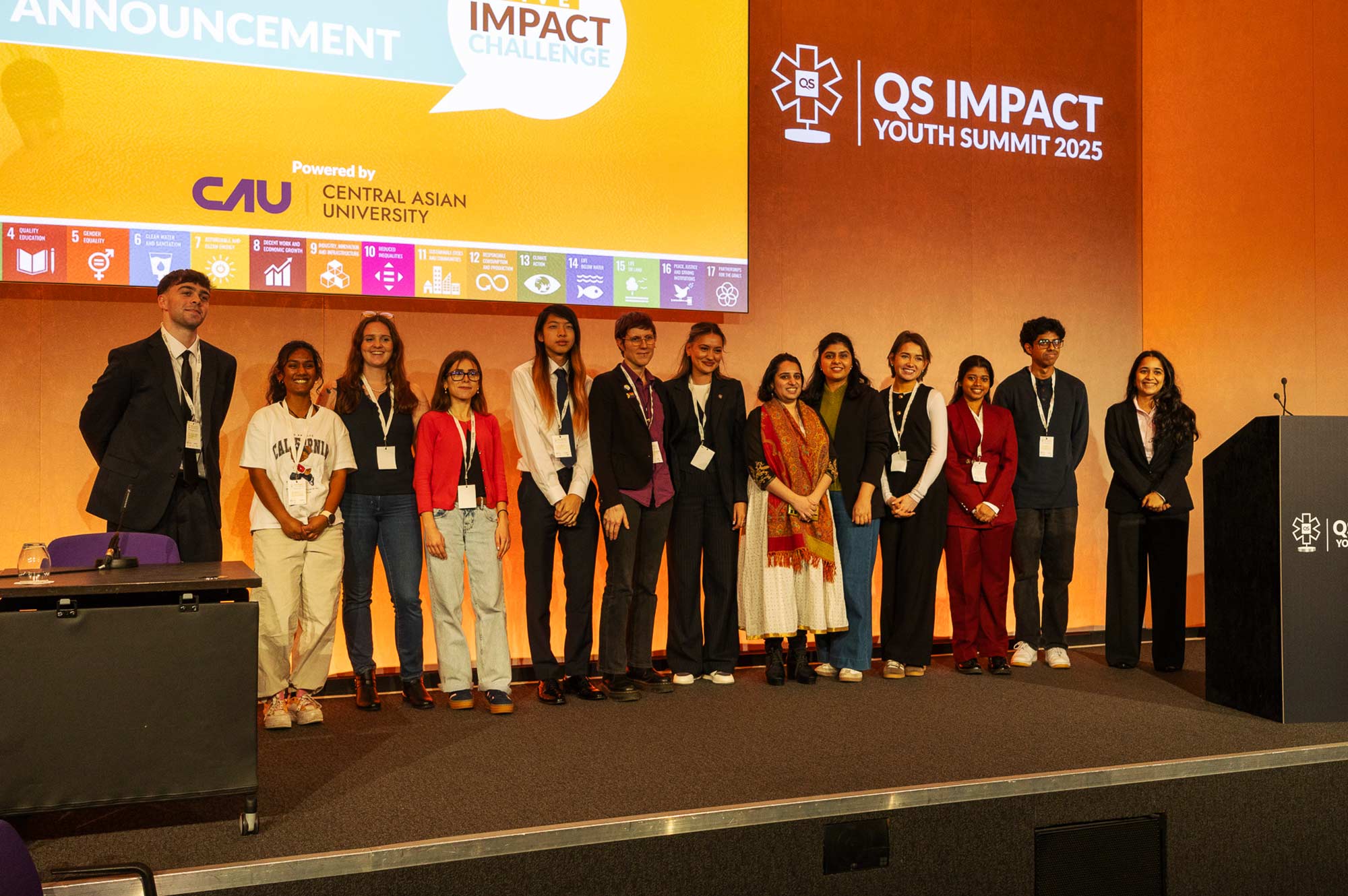
Two standout pitches took top honours. “Sensory Spaces” proposed neurodivergent-friendly public micro-pods for sensory grounding and calm - a simple, scalable way to support mental wellbeing in shared environments. “Diversahire” introduced a plug-in system that recruitment platforms could integrate to promote fairer access and equal opportunities for all applicants. Together, the winning ideas reflected exactly what the challenge aimed to unlock: practical, SDG-aligned solutions built with urgency, empathy, and lived experience at the centre.




.png)